
How to Dress Your Baby for Sleep in Indian Weather
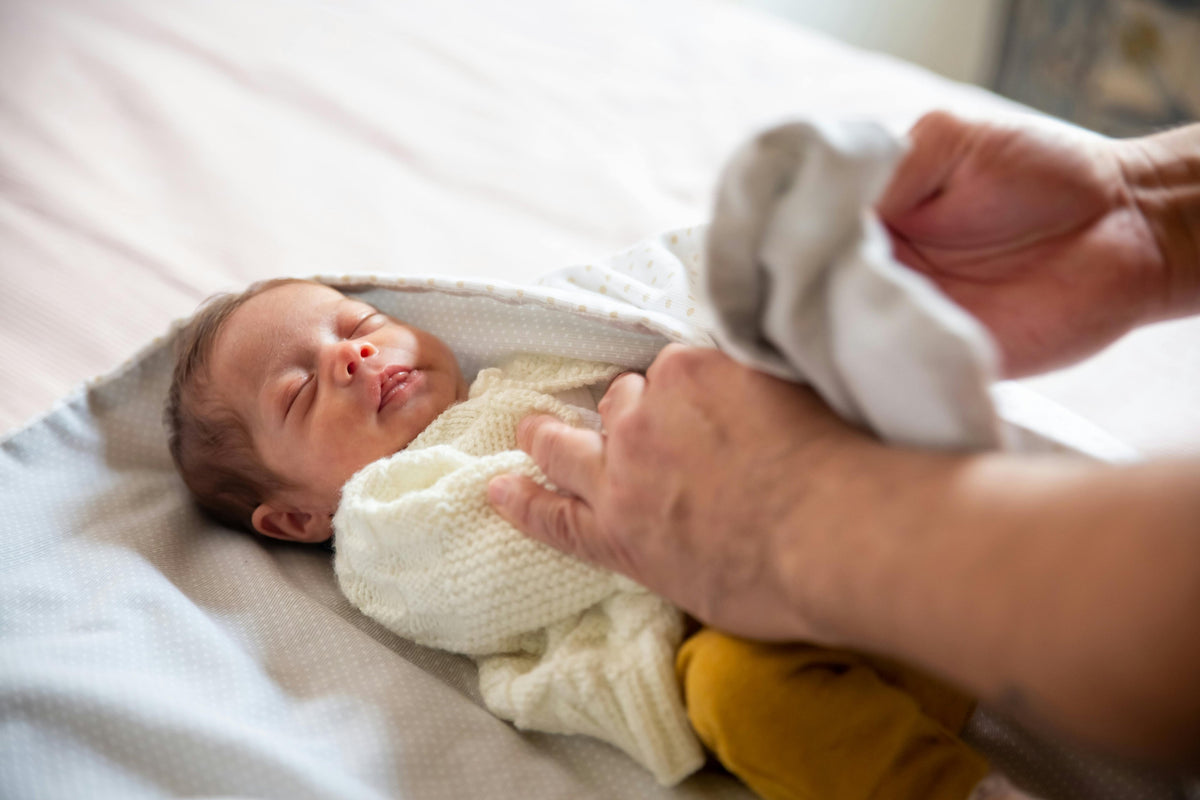
Baby Sleep Attire Guide for Indian Climate
If your baby is waking up sweaty, fussy, or with a stuffy nose, their sleep attire might be sending the wrong signals to their body, so before you buy another cute set of baby clothes, pause and ask: is this sleep attire actually right for your city’s Indian climate and your baby’s skin?
Why Sleep Attire Matters in the Indian Climate
In India, baby clothes for sleep have to do much more than look adorable. The Indian climate swings from scorching summers to sticky monsoons and surprisingly chilly winters, often in homes that rely on fans, ACs, or room heaters rather than central temperature control.
Choosing the right baby clothes and sleep attire is about safety, comfort, and deep rest keeping your baby warm enough, but never overheated, and always dressed in fabrics that suit the Indian climate and your region’s realities.

Newborn Sleep Attire for Indian Summers
Indian summers can feel relentless, especially in cities where night’s stay warm and the air is heavy. In this season, the role of baby clothes is to keep your newborn cool, dry and rash free, without leaving them exposed to direct draughts. In a room with just a fan, a light sleeveless or short sleeved cotton onesie with a diaper is often enough sleep attire for a newborn, with perhaps a very thin muslin cloth over the lower body if the night feels a touch cooler. If the room is air conditioned and set around the mid-20s, a full sleeve thin cotton onesie or sleepsuit makes sense, and a very light sheet up to the chest can be added if your baby tends to feel cold. In coastal cities where the Indian climate turns hot and humid, your best friend is minimal but breathable baby clothes: a soft cotton vest and diaper, without heavy blankets, can be far more comfortable than layering “just in case”. In these months, your newborn’s sleep attire should help their body release heat, not fight against it. Many parents notice that once they strip baby clothes back to simple, airy cotton suited to the Indian climate, night wakings due to sweating or prickly heat reduce noticeably.
Newborn Sleep Attire for the Monsoon Season
Monsoon shifts the Indian climate into something softer yet trickier: the air turns heavy, rooms feel damp, and some nights swing between warm and unexpectedly cool. For a newborn, the right sleep attire here is gently cocooning without becoming sweaty. On warm, humid nights, a thin full sleeve cotton sleepsuit often works beautifully as sleep attire, giving coverage to arms and legs while still breathing well. When the fan or a mild AC is on and the room feels cooler, you might layer a very thin cotton vest under the sleepsuit and tuck a light cotton sheet from the waist down, rather than adding thick blankets. In older or very damp homes, where the floor feels cold and the air has that monsoon chill, a slightly thicker cotton sleepsuit over a soft vest, paired with a breathable sleep sack, keeps your newborn warm without the risk of loose bedding covering their face. The emotional side of this season is real too: parents sometimes worry when tiny clothes take longer to dry or feel cool to the touch. Trust your hands and your baby, if the skin at the neck feels comfortably warm and the baby sleeps peacefully, your baby clothes and sleep attire are doing their quiet job despite the monsoon.
Newborn Sleep Attire for Mild Indian Winters
In many parts of India, especially coastal and southern cities, winter doesn’t roar, it whispers. The nights feel pleasantly cool rather than icy, and newborn baby clothes simply need to add a soft layer of coziness. In this version of the Indian climate, a thin cotton vest as a base and a full sleeve cotton sleepsuit on top is often perfect sleep attire. The fan can stay off, windows may be partly closed, and a light cotton or muslin blanket up to the chest is usually enough for a newborn. In places where evenings feel mild but early mornings carry a sharper nip, slightly thicker cotton knits or brushed cotton sleepsuits can add just the right amount of warmth, without layering wool directly on the skin. These are the nights when you might find yourself lingering by the crib a little longer, watching your baby’s slow breaths, and feeling quietly reassured when the back of their neck is warm, not sweaty; that is your cue that the baby clothes you chose are in harmony with the Indian climate outside and the little world inside your bedroom.
Sleep Attire That Adapts As Your Baby Does
If all this talk of layering, fabrics, and the neck test feels like a lot to manage on your own, you're not alone, and that's exactly why thoughtfully designed sleep attire can make such a difference. The Sobabu Baby Swaddle Wrap is built for those early newborn weeks, crafted from breathable premium cotton with a gentle stretch that keeps your baby feeling cozy, calm, and secure through naps and nighttime sleep, no matter which Indian climate zone you're navigating. As your little one grows more active and starts rolling or wriggling toward independence, a transitional sleep sack offers a gentle bridge away from swaddling, giving baby the freedom to move their arms while still feeling safely held. And once your baby has fully outgrown the swaddle stage, a classic sleep sack steps in as a breathable, arms-out alternative, designed for babies and toddlers who simply need room to stretch, turn, and settle through the night. Each of these pieces is designed with the same principle this guide keeps coming back to: warmth without overheating, comfort without restriction, so your baby's sleep attire works with the Indian climate, not against it.
How to Know Your Baby’s Sleep Attire Is Right
Whatever your Indian climate zone, use this quick check to decide if the baby clothes and sleep attire are appropriate.
• Neck and chest test:
◦ Warm and dry = baby clothes and layers are just right
◦ Hot and sweaty = reduce one layer of sleep attire
◦ Cool to touch = add one light baby clothes layer
• Body language and sleep signals:
◦ Frequent waking, fussiness, or restlessness can mean the sleep attire is wrong for your Indian climate conditions.
◦ Red cheeks and damp hair often point to overheating in baby clothes.
• Layer smart, not heavy:
A few thoughtfully chosen baby clothes and sleep attire pieces fitted, breathable, and season-appropriate for the Indian climate work far better than piling on random layers.
A Gentle Note to New Parents
If you are reading this with your newborn curled up next to you or with bleary eyes after a long night know that you are not alone in wondering whether you’ve dressed your baby “right” for sleep. Every parent in the Indian climate has stood over a tiny chest, second guessing baby clothes and counting layers in their head. It is perfectly okay not to get it right every time. With each night, you learn a little more: how your baby responds to the heat before monsoon rains, what sleep attire works best when the first winter breeze arrives, which fabrics always seem to calm their skin. Slowly, this guessing becomes a gentle knowing. Your choices in baby clothes stop being a stress point and start becoming part of a soothing ritual—closing the buttons of a soft sleepsuit, tucking in a muslin, whispering a goodnight. In those small, repeated gestures, you are not just adjusting to the Indian climate; you’re creating a cocoon of comfort where your baby can grow, dream and feel deeply, quietly safe.
References
- American Academy of Pediatrics (AAP). Safe Sleep Recommendations. https://www.aap.org/en/patient-care/safe-sleep/
- CDC. Providing Care for Babies to Sleep Safely. https://www.cdc.gov/sudden-infant-death/sleep-safely/
- NHS. How to Dress a Newborn. https://www.nhs.uk/best-start-in-life/baby/baby-basics/caring-for-your-baby/how-to-dress-a-newborn/
- Sleep Foundation. How to Dress a Baby for Sleep. https://www.sleepfoundation.org/baby-sleep/how-to-dress-baby-for-sleep
Key Takeaways
Practical Checklist
-
Key takeaway or action step.
-
Key takeaway or action step.
-
Key takeaway or action step.
Recommended For This Topic
View ProductYour Sleep Journey
Not Sure What Your Baby Needs?
Head back to our Sleep Journey pages to find the right product and support for your baby's current stage.